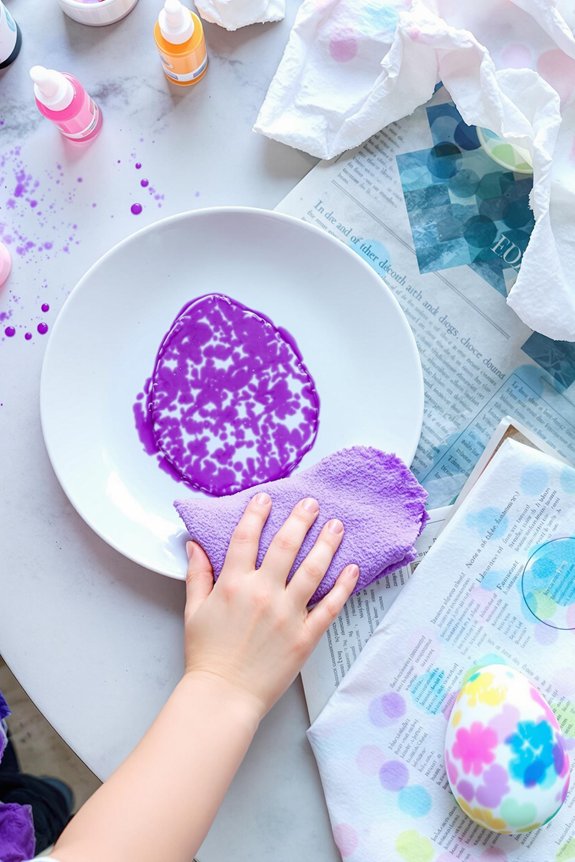

Planning an indoor Easter egg hunt for toddlers can be a fun and engaging activity with the right setup.
This guide helps create a safe and interactive experience filled with sensory exploration, movement, and creative hiding spots.
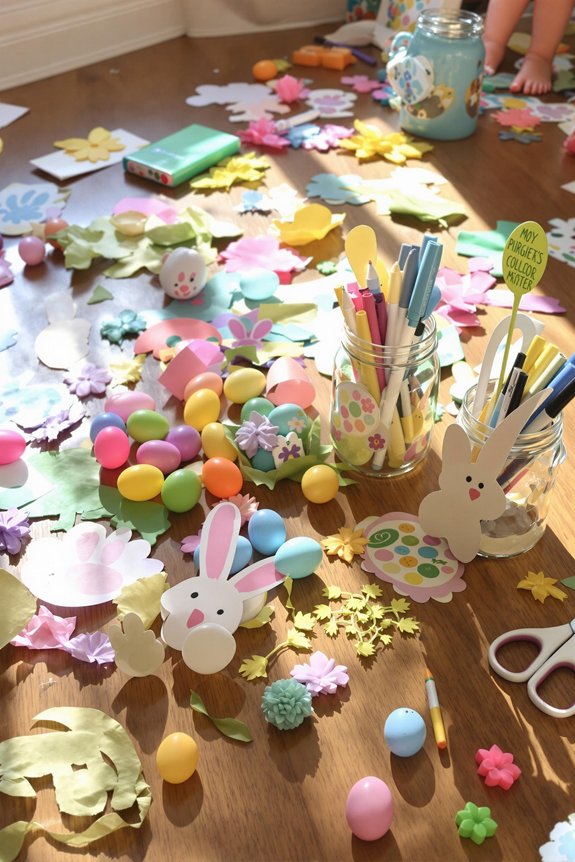
Materials Needed
- Plastic or fabric Easter eggs
- Small treats or non-food surprises (stickers, toys, playdough)
- Sensory elements (textured eggs, jelly beans, shredded paper)
- Soft baskets or bags for egg collection
- Picture-based clue cards (for guided hunts)
Step 1: Prepare Sensory Experiences
- Textured Eggs: Use fabric-covered, foil-wrapped, or sandpaper-coated eggs for sensory exploration.
- Jelly Bean Trails: Place a small path of jelly beans leading to hidden eggs.
- Playdough Eggs: Hide tiny treasures inside playdough-filled eggs for a fun reveal.
Step 2: Set Up Safe Hiding Spots
- Choose toddler-friendly locations like:
- Under cushions or inside toy boxes
- Nestled in fruit bowls (with non-food eggs)
- Inside shoes, cups, or stacking blocks
- Avoid small gaps, breakable objects, or furniture edges.
Step 3: Introduce Picture-Based Clues (Optional)
- For guided play, create simple picture cards showing where to find the next egg.
- Example: Draw a picture of a teddy bear to signal an egg is hidden near their stuffed animals.
Step 4: Make the Hunt Interactive
- Use movement-based cues to add excitement:
- “Hop like a bunny” before searching
- “Wiggle like a worm” to open an egg
- “Spin around” before checking the next spot
Step 5: Supervise and Adjust Difficulty
- Keep the hunt short (10-15 minutes) for young toddlers.
- If needed, guide them with verbal hints like “warmer” and “colder” to direct their search.
- Praise their efforts and encourage teamwork if multiple children participate.
Step 6: Celebrate the Finds
- Once all eggs are found, gather together to open them.
- Let toddlers trade or sort their eggs based on colour, texture, or contents.
- Capture the moment with a group photo or a small reward.